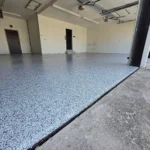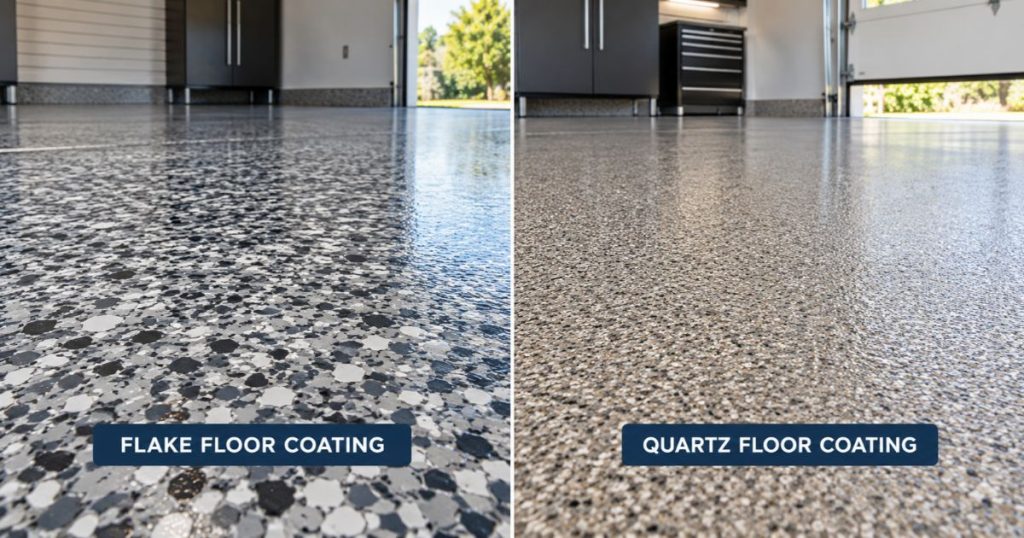
Choosing a decorative concrete floor involves more than selecting a color. Surface texture, everyday traffic, cleaning requirements, and exposure conditions all influence how well a coating system suits a particular space. For Wisconsin homeowners and business owners, these considerations become especially relevant in garages, commercial interiors, and frequently used work areas.
Two available options are flake and quartz floor coatings. Both incorporate decorative materials into protective resin systems, but their appearance, aggregate composition, and potential surface textures differ.
Understanding flake vs. quartz floor coatings can help property owners select a finish that balances visual preferences with practical flooring needs.
Understanding Flake and Quartz Floor Coatings
Flake and quartz coatings are decorative resin flooring systems designed to enhance concrete surfaces. Although they can serve similar environments, the materials broadcast into their base coats create distinct finishes.
What Are Flake Floor Coatings?
Flake flooring incorporates decorative vinyl chips into a compatible resin coating. The flakes are available in various colors, blends, and sizes, allowing installers to create customized patterns.
The system typically consists of a prepared concrete substrate, resin base coat, decorative flakes, and protective topcoat.
Depending on the formulation, epoxy, polyurea, or polyaspartic products may be used within the system.
Polzin Epoxy Designs offers professional flake coating services for garages, residential interiors, and commercial applications.
What Are Quartz Floor Coatings?
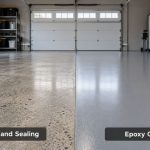
Quartz flooring incorporates mineral aggregates, commonly colored quartz granules or sand, into a resin system.
These aggregates create a granular decorative appearance that can provide a pronounced surface texture.
Quartz systems may use epoxy or polyaspartic materials, depending on the selected installation specifications.
The company’s quartz and sand coating services include customizable finishes for residential and commercial spaces.
Unlike vinyl flakes, quartz aggregates are mineral-based, which affects the character of the finished surface.
Key Differences Between Flake and Quartz Floor Coatings
Both flooring options can create attractive surfaces, but the aggregate materials and system specifications influence their characteristics.
| Feature | Flake Floor Coatings | Quartz Floor Coatings |
| Decorative material | Colored vinyl chips | Quartz granules or sand |
| Appearance | Multicolored, chip-patterned finish | Fine granular, stone-like finish |
| Texture | Varies with flakes and topcoat | Varies with aggregate and topcoat |
| Customization | Flake sizes and color blends | Aggregate sizes and color combinations |
| Common applications | Garages and decorative interiors | Garages and textured commercial floors |
| Maintenance | Depends on texture and topcoat | Depends on texture and topcoat |
| Durability | Determined by complete system | Determined by complete system |
Neither option is automatically more durable or safer. Performance depends on the coating materials, substrate preparation, installation quality, and intended use.
Appearance and Decorative Design Options
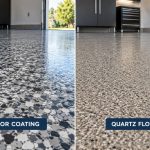
Appearance is one of the clearest differences between flake and quartz floor coatings. Both systems offer customizable colors, patterns, and finishes, but their decorative materials create distinct visual effects. Flake coatings typically produce a multicolored, chip-patterned appearance, while quartz coatings provide a finer, stone-like texture. Understanding these differences helps property owners choose a finish that complements their space and design preferences.
Flake Flooring Appearance
Flake coatings create a scattered-chip pattern across the floor. Depending on the selected blend, the appearance can range from subtle neutral tones to contrasting multicolored designs.
Gray, white, and black combinations can complement residential garages, while other color selections may coordinate with a commercial interior.
Flakes can also help visually disguise minor variations in the underlying concrete once properly coated.
The finished texture and gloss depend on the broadcast coverage and protective topcoat, rather than flake color alone.
Quartz Flooring Appearance
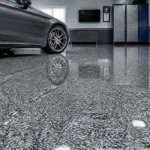
Quartz coatings create a finer granular appearance resembling textured mineral or stone-based finishes.
Aggregate size and color selection influence how uniform or pronounced the finished pattern appears.
Some quartz systems use subtle neutral colors, while others combine multiple shades for decorative effects.
Property owners should review actual coating samples because lighting, aggregate coverage, and topcoat characteristics can affect the final appearance.
Texture, Traction, and Walking Safety
Surface texture is another important consideration, particularly where floors may become wet.
Quartz aggregates can produce pronounced texture, making them useful when a flooring specification calls for additional traction.
Flake coatings can also provide textured finishes depending on the chips, broadcast application, topcoat, and optional traction additives.
However, neither decorative material guarantees slip resistance. Surface performance depends on the complete flooring system, contaminants, footwear, and conditions of use.
Research available through the American Concrete Institute’s resource on slip resistance of concrete floors explains how surface texture, finishes, and maintenance influence slip resistance. These considerations are important when selecting flake or quartz coating systems for areas exposed to moisture or frequent foot traffic.
Areas regularly exposed to water or spills may require specific traction considerations.
Importantly, a more textured surface can also require additional cleaning attention. Property owners should balance traction requirements with practical maintenance needs.
Durability and Long-Term Floor Performance
Both flake and quartz coatings can provide durable, protective surfaces for residential and commercial applications. However, their resistance to abrasion, impact, chemicals, and everyday wear depends on more than the decorative aggregates alone. Factors such as coating formulation, surface preparation, installation quality, and environmental exposure all influence long-term performance.
Performance of Flake Systems
Vinyl flakes are embedded within resin layers and protected by a topcoat.
This construction can provide a decorative surface suitable for routine foot traffic, residential garage use, and other specified applications.
The actual performance depends on coating chemistry, film thickness, substrate condition, and exposure.
A residential decorative system should not automatically be considered suitable for heavy industrial operations.
Performance of Quartz Systems
Quartz aggregates are hard mineral materials incorporated into resin flooring.
Depending on the coating design, they can contribute texture and wear characteristics suitable for demanding applications.
However, the complete system must be evaluated before claiming suitability for equipment traffic, aggressive chemicals, or repeated impact.
For both flooring types, ongoing performance depends on appropriate material selection and maintenance rather than aggregate composition alone.
Installation and Surface Preparation
Although the decorative materials differ, flake and quartz floor coatings share similar installation and surface preparation requirements. Both systems require properly evaluated, cleaned, and prepared concrete to support coating adhesion and long-term performance. The installation process also involves applying compatible resin materials and decorative aggregates to achieve the desired finish.
Preparing the Concrete
Before either system is installed, the existing concrete must be evaluated.
Surface contamination, previous coatings, cracks, weak concrete, and moisture conditions can influence the installation.
Mechanical preparation may be necessary to achieve the surface profile specified for the chosen resin system.
The American Concrete Institute’s guide to concrete surface preparation identifies substrate assessment, moisture, contamination, and preparation methods as important considerations for protective systems.
Preparation requirements should follow the selected manufacturer’s specifications.
Applying Decorative Aggregates
After appropriate preparation, the installer applies a compatible coating material and broadcasts the selected flakes or quartz granules.
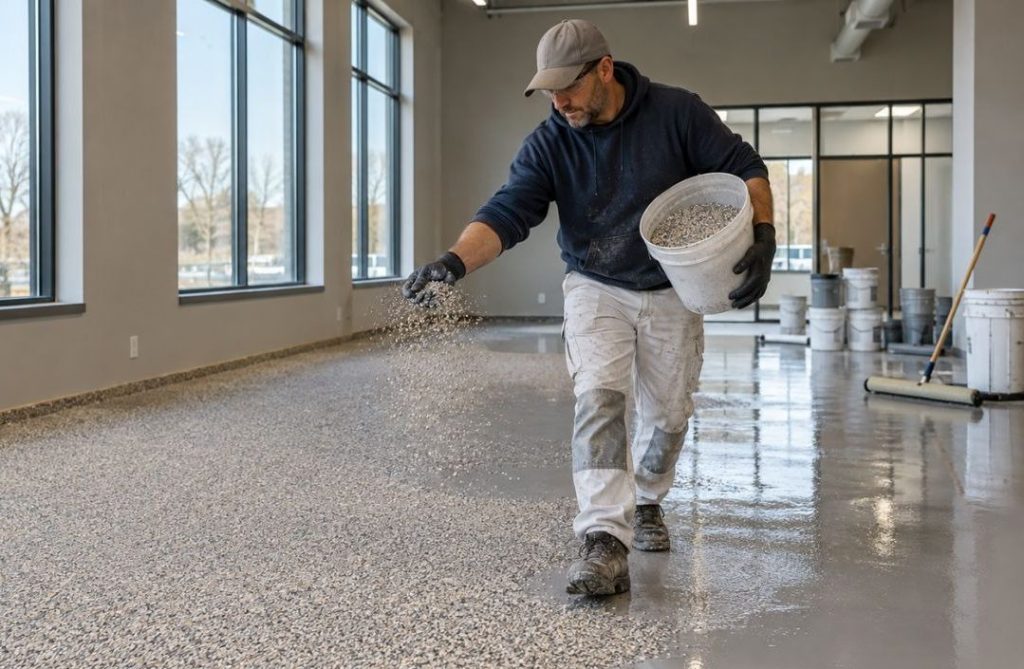
Depending on the system, excess decorative material may be removed after the applicable curing stage.
A protective topcoat is then applied according to the specified installation method.
Additional layers or different broadcast procedures may be required for particular applications.
Installation duration, curing, and return-to-service periods vary by product, temperature, humidity, and project conditions.
Cleaning and Maintenance Requirements
Both flake and quartz floor coatings require routine care to preserve their appearance and long-term performance. Although these systems can make concrete surfaces easier to maintain, cleaning requirements may vary depending on the surface texture, coating formulation, and level of traffic. Regular cleaning and proper maintenance help minimize wear and keep the floors in good condition.
Maintaining Flake Coatings
Flake flooring generally benefits from regular removal of dirt, grit, and debris.
Appropriate cleaning products can help remove surface contamination without unnecessarily damaging the coating.
Owners should avoid dragging sharp or heavy objects that could scratch certain finishes.
Maintaining Quartz Coatings
Quartz flooring also requires routine cleaning, but pronounced textures may retain more debris than smoother surfaces.
Cleaning methods should match the actual surface profile and manufacturer recommendations.
In commercial environments, cleaning schedules may need adjustment based on traffic and spill exposure.
Neither flooring option should be described as maintenance-free. Prompt spill removal and periodic inspections remain important.
Cost Considerations for Wisconsin Properties
Installation cost depends on more than choosing vinyl flakes or quartz aggregates.
The concrete’s condition, necessary repairs, coating materials, decorative coverage, number of layers, and project size all influence estimates.
Specialized traction specifications and demanding commercial requirements can also affect pricing.
Quartz flooring should not automatically be described as more expensive than flake flooring, because different systems can have substantially different specifications.
When comparing quotes, property owners should review the proposed coating system, preparation methods, warranty terms, and maintenance expectations.
Which Floor Coating Is Better for Your Space?
Choosing between flake and quartz floor coatings depends on the intended use of the space and the features property owners value most. Both systems offer decorative and protective benefits, but their appearance, texture, and suitability can vary depending on the application. Understanding these differences helps homeowners and business owners select a flooring option that meets their needs.
Residential Garages and Basements
Flake coatings may appeal to homeowners seeking decorative color blends and a relatively uniform chip-patterned appearance.
Quartz coatings may be considered when a granular aesthetic or more pronounced texture is desired.
Wisconsin garages also require attention to tracked-in snow, road salt, moisture, and vehicle traffic.
Commercial and Retail Properties
Both systems can suit commercial spaces when the coating specifications match the intended conditions.
Flake flooring may complement showrooms and customer-facing interiors where decorative flexibility matters.
Quartz flooring may be useful in facilities requiring a particular textured finish.
For restaurants, work areas, and other frequently cleaned spaces, maintenance methods and potential wet conditions deserve attention.
Industrial and High-Traffic Areas
Industrial floors require evaluation of loads, equipment, abrasion, cleaning chemicals, and operational conditions.
Neither a flake nor a quartz finish should be selected solely on appearance.
An appropriate system specification is essential before determining whether either option suits a demanding facility.
Choosing the Right Decorative Floor Coating
Before selecting a coating, consider:
- Preferred colors, patterns, and surface texture
- Expected foot, vehicle, or equipment traffic
- Exposure to water, salt, oils, or cleaning chemicals
- Cleaning methods and maintenance expectations
- Existing concrete condition and installation requirements
Samples and a professional substrate assessment can help clarify which system is appropriate.
Polzin Epoxy Designs provides both decorative options. Property owners can contact Polzin Epoxy Designs for a free estimate to discuss their concrete condition, preferred finish, and intended applications.
Final Thoughts
Flake and quartz floor coatings offer different decorative approaches to protecting and finishing concrete.
Flake systems use vinyl chips to create customizable patterns, while quartz systems incorporate mineral aggregates for a granular appearance and potentially more pronounced texture.
Neither is universally better. Coating chemistry, preparation, application requirements, maintenance, and exposure conditions are central to long-term performance.
By comparing these considerations, Wisconsin property owners can make a more informed flooring decision.
Frequently Asked Questions
Is quartz flooring stronger than flake flooring?
Not necessarily. Quartz is a hard mineral aggregate, but finished-floor performance depends on the complete resin system, installation quality, and operating conditions.
Are flake floor coatings slippery when wet?
They can be, depending on the finish and conditions. Appropriate texture and traction additives may help, but no coating should be assumed slip-proof.
Can quartz coatings be installed in residential garages?
Yes. Quartz coatings are among the options Polzin Epoxy Designs advertises for residential garages, subject to the suitability of the concrete and selected system.
Which flooring option is easier to clean?
Either may be relatively straightforward to clean. Smoother surfaces generally release debris more readily, while pronounced textures may require additional attention.
Can flake and quartz coatings be customized?
Yes. Flake systems offer different vinyl-chip colors and sizes, while quartz systems offer aggregate color and texture options. Availability depends on the selected coating system.